Showing posts with label Spanish (USA). Show all posts

Tuesday, 8 August 2023

When you hear 'tuna' are you hearing English or Spanish (USA)?

'Tuna' is a word borrowed from Spanish (USA) 'atún'. The word entered the English language some time around 1555.
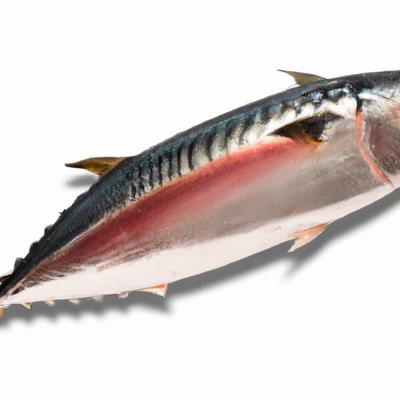

tuna [noun] [circa 1555]
  • any of various flat-jointed prickly pears (genus )
  • one (O. tuna) of tropical America
  • the edible fruit of a tuna
See 'tuna' on the Loan Words Map

See more loan words from Spanish (USA).

Etymology: Spanish, from Taino
See more loan words from 1500s.


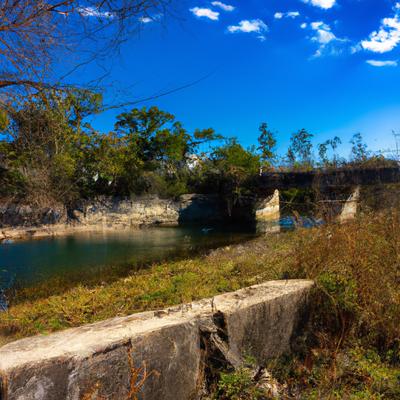
The Spanish (USA) origins of the word 'arroyo'

'Arroyo' is a word borrowed from Spanish (USA) 'arroyo'. The word entered the English language some time around 1843.


arroyo [noun] [1843]
  • a watercourse (as a creek) in an arid region
  • a water-carved gully or channel
See 'arroyo' on the Loan Words Map

See more loan words from Spanish (USA).

Etymology: Spanish
See more loan words from 1800s.


Saturday, 19 November 2022

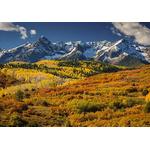
Is 'Colorado' English, or is it actually Spanish (USA)?

'Colorado' is a word borrowed from Spanish (USA) 'colorado'.


Colorado [geographical name] [(unknown)]
  • river 1450 miles (2334 ) kilometers United States & Mexico rising in Colorado & flowing into Gulf of California
  • river 600 miles (950 ) kilometers Texas flowing into Gulf of Mexico
  • state area United States ✽ Denver square miles 104,247 square kilometers (271,042 ), pop 4,301,261
  • river 530 miles (853 ) kilometers Argentina flowing cen to the Atlantic
See 'Colorado' on the Loan Words Map

See more loan words from Spanish (USA).

note: Named for the river Spanish Rio Colorado from colorado ruddy reddish literally colored past participle of colorar to color dye paint from Latin colorare to color - to get tanned.
Etymology: -
See more loan words from (unknown date).

Sunday, 13 November 2022

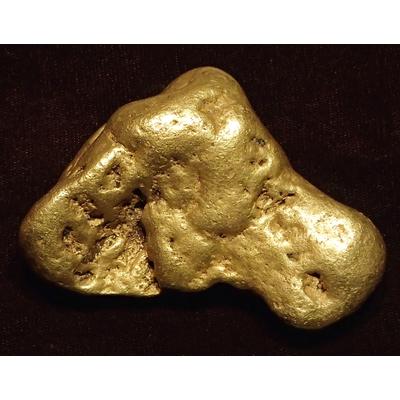
Do you speak a little Spanish (USA) when you say 'bonanza'?

'Bonanza' is a word borrowed from Spanish (USA) 'bonanza'. The word entered the English language some time around 1829.


bonanza [noun] [1829]
  • an exceptionally large and rich mineral deposit (as of an ore, precious metal, or petroleum)
  • something that is very valuable, profitable, or rewarding
  • a very large amount
  • extravaganza
See 'bonanza' on the Loan Words Map

See more loan words from Spanish (USA).

Etymology: Spanish, literally, calm sea, from Medieval Latin 'bonacia' alteration of Latin 'malacia' from Greek 'malakia' literally, softness, from 'malakos' soft
See more loan words from 1800s.


Saturday, 12 November 2022

The Spanish (USA) origins of the word 'lasso'

'Lasso' is a word borrowed from Spanish (USA) 'lasso'. The word entered the English language some time around 1808.


lasso [noun] [1808]
A rope or long thong of leather with a noose used especially for catching horses and cattle - lariat
See 'lasso' on the Loan Words Map

See more loan words from Spanish (USA).

Etymology: Spanish 'lazo' from Latin 'laqueus' snare
See more loan words from 1800s.


Is 'hombre' English, or is it actually Spanish (USA)?

'Hombre' is a word borrowed from Spanish (USA) 'hombre'. The word entered the English language some time around 1846.


hombre [noun] [1846]
  • guy
See 'hombre' on the Loan Words Map

See more loan words from Spanish (USA).

Etymology: Spanish, man, from Latin 'homin-, homo'
See more loan words from 1800s.


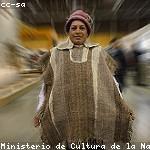
When you say 'poncho' are you speaking Spanish (USA)?

'Poncho' is a word borrowed from Spanish (USA) 'poncho'. The word entered the English language some time around 1717.


poncho [noun] [1717]
  • a blanket with a slit in the middle so that it can be slipped over the head and worn as a sleeveless garment
  • a waterproof garment resembling a poncho and having an integral hood
See 'poncho' on the Loan Words Map

See more loan words from Spanish (USA).

Etymology: American Spanish, from Mapuche
See more loan words from 1700s.


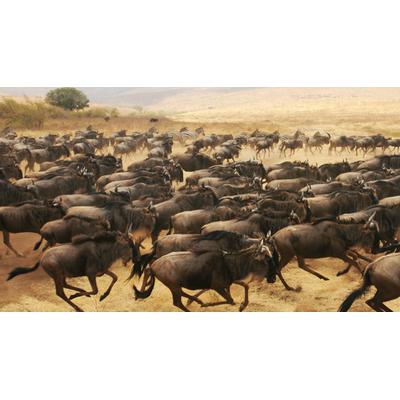
Do you speak a little Spanish (USA) when you say 'stampede'?

'Stampede' is a word borrowed from Spanish (USA) 'stampede'. The word entered the English language some time around 1828.


stampede [noun] [1828]
  • a wild headlong rush or flight of frightened animals
  • a mass movement of people at a common impulse
  • an extended festival combining a rodeo with exhibitions, contests, and social events
See 'stampede' on the Loan Words Map

See more loan words from Spanish (USA).

Etymology: American Spanish 'estampida' from Spanish, crash, from 'estampar' to stamp, of Germanic origin; akin to Old High German 'stampfōn' to stamp
See more loan words from 1800s.


Friday, 11 November 2022

When you say 'pronto' are you speaking Spanish (USA)?

'Pronto' is a word borrowed from Spanish (USA) 'pronto'. The word entered the English language some time around 1911.


pronto [adverb] [1911]
Without delay
See 'pronto' on the Loan Words Map

See more loan words from Spanish (USA).

Etymology: Spanish, from Latin 'promptus' prompt
See more loan words from 1910s.


When you hear 'vigilante' are you hearing English or Spanish (USA)?

'Vigilante' is a word borrowed from Spanish (USA) 'vigilante'. The word entered the English language some time around 1856.


vigilante [noun] [1856]
  • a member of a volunteer committee organized to suppress and punish crime summarily (as when the processes of law are vi...
  • a self-appointed doer of justice
See 'vigilante' on the Loan Words Map

See more loan words from Spanish (USA).

Etymology: Spanish, watchman, guard, from 'vigilante' vigilant, from Latin 'vigilant-, vigilans'
See more loan words from 1800s.


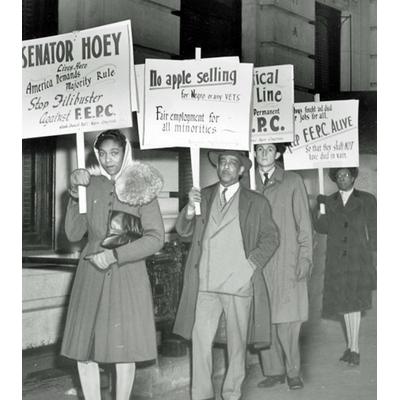
The Spanish (USA) roots of the word 'filibuster'

'Filibuster' is a word borrowed from Spanish (USA) 'filibuster'. The word entered the English language some time around 1851.


filibuster [noun] [1851]
  • an irregular military adventurer
  • an American engaged in fomenting insurrections in Latin America in the mid-19th century
  • the use of extreme dilatory tactics in an attempt to delay or prevent action especially in a legislative assembly
  • an instance of this practice
See 'filibuster' on the Loan Words Map

See more loan words from Spanish (USA).

Etymology: Spanish 'filibustero' literally, freebooter
See more loan words from 1800s.


Thursday, 10 November 2022

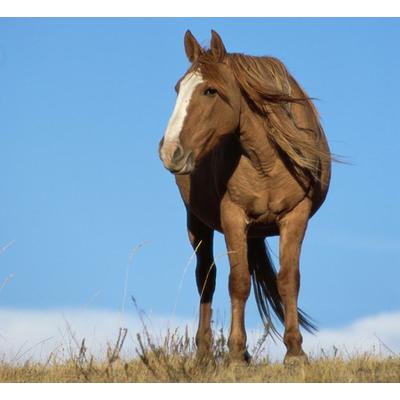
When you hear 'mustang' are you hearing English or Spanish (USA)?

'Mustang' is a word borrowed from Spanish (USA) 'mustang'. The word entered the English language some time around 1808.


mustang [noun] [1808]
  • a small hardy naturalized horse of United States western plains directly descended from horses brought in by the Spania...
  • bronc
  • a commissioned officer (as in the United States Navy) who has risen from the ranks
See 'mustang' on the Loan Words Map

See more loan words from Spanish (USA).

Etymology: Mexican Spanish 'mestengo' from Spanish, stray, from 'mesteño' strayed, from 'mesta' annual roundup of cattle that disposed of strays, from Medieval Latin ('animalia') 'mixta' mixed animals
See more loan words from 1800s.


Did you know that 'vamoose' is actually Spanish (USA)?

'Vamoose' is a word borrowed from Spanish (USA) 'vamoose'. The word entered the English language some time around 1859.


vamoose [verb] [1859]
To depart quickly
See 'vamoose' on the Loan Words Map

See more loan words from Spanish (USA).

Etymology: Spanish 'vamos' let us go, suppletive 1st plural imperative (from Latin 'vadere' to go) of 'ir' to go, from Latin 'ire'
See more loan words from 1800s.


When you hear 'stevedore' are you hearing English or Spanish (USA)?

'Stevedore' is a word borrowed from Spanish (USA) 'stevedore'. The word entered the English language some time around 1788.


stevedore [noun] [1788]
One who works at or is responsible for loading and unloading ships in port
See 'stevedore' on the Loan Words Map

See more loan words from Spanish (USA).

Etymology: Spanish 'estibador' from 'estibar' to pack
See more loan words from 1700s.


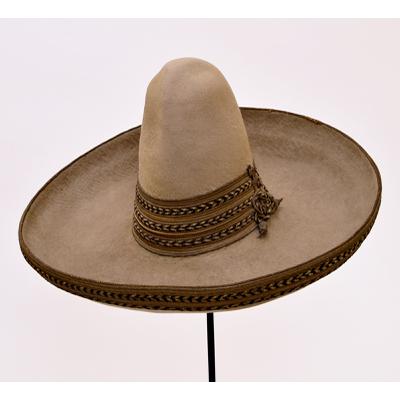
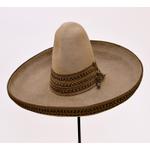
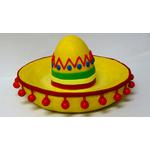
When you say 'sombrero' are you speaking Spanish (USA)?

'Sombrero' is a word borrowed from Spanish (USA) 'sombrero'. The word entered the English language some time around 1599.


sombrero [noun] [1599]
An often high-crowned hat of felt or straw with a very wide brim worn especially in the Southwest and Mexico
See 'sombrero' on the Loan Words Map

See more loan words from Spanish (USA).

Etymology: Spanish, from 'sombra' shade
See more loan words from 1500s.


Is 'ranch' English, or is it actually Spanish (USA)?

'Ranch' is a word borrowed from Spanish (USA) 'ranch'. The word entered the English language some time around 1831.


ranch [noun] [1831]
  • a large farm for raising horses, beef cattle, or sheep
  • a farm or area devoted to a particular specialty
  • ranch house
See 'ranch' on the Loan Words Map

See more loan words from Spanish (USA).

Etymology: Mexican Spanish 'rancho' small ranch, from Spanish, camp, hut & Spanish dialect, small farm, from Old Spanish 'ranchearse' to take up quarters, from Middle French 'se ranger' to take up a position, from 'ranger' to set in a row
See more loan words from 1800s.
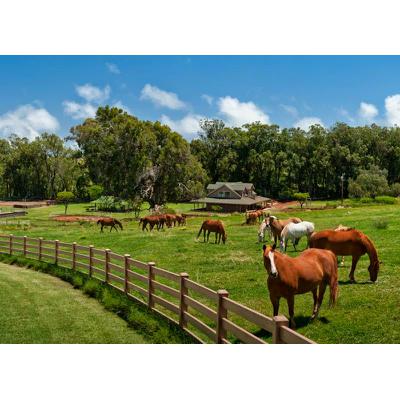

When you hear 'bronco' are you hearing English or Spanish (USA)?

'Bronco' is a word borrowed from Spanish (USA) 'bronco'. The word entered the English language some time around 1850.


bronco [noun] [1850]
Bronc
See 'bronco' on the Loan Words Map

See more loan words from Spanish (USA).

Etymology: Mexican Spanish, from Spanish, literally, rough, wild
See more loan words from 1800s.


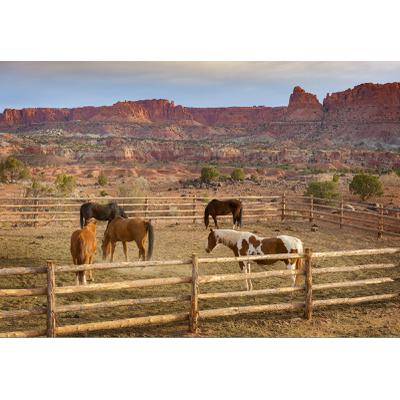
The Spanish (USA) roots of the word 'corral'

'Corral' is a word borrowed from Spanish (USA) 'corral'. The word entered the English language some time around 1582.
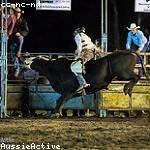

corral [noun] [1582]
  • a pen or enclosure for confining or capturing livestock
  • an enclosure made with wagons for defense of an encampment
See 'corral' on the Loan Words Map

See more loan words from Spanish (USA).

Etymology: Spanish, from Vulgar Latin '*currale' enclosure for vehicles, from Latin 'currus' cart, from 'currere' to run
See more loan words from 1500s.